
Sonnenberg looks back at 2018 and ahead to election
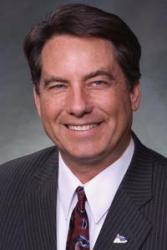
Senate President Pro tem Jerry Sonnenberg of Sterling heads into the 2018 election season and his run for his final term in the Colorado General Assembly winning some, losing others and optimistic that his party will keep control of the state Senate past Nov. 6.
Republicans hold a razor-thin one-seat margin in the 35-member chamber, and should they hold the Senate, Sonnenberg is most likely to become the next Senate president.
He recently looked back on the 2018 legislative session, pleased with progress on transportation, rural broadband and fixes to the Public Employees Retirement Plan. Those were things that needed to be accomplished, he said, “by setting partisan politics aside and finding compromise,” Sonnenberg told this reporter.
But he also believes not enough progress was made on funding the state’s $9 billion backlog of transportation projects. He would have preferred to see at least $300 million per year set aside out of current state revenues for transportation — the bill asks voters to approve bonding but at a lower annual payment, at $122.6 million.
Sonnenberg said $300 million represents only 1 percent of the budget. “I don’t know why we can’t prioritize transportation” with just 1 percent, he said. But “we got the best deal we could and moved the ball forward.”
He’s also happy that the final deal on Senate Bill 1 puts 25 percent of the dollars toward projects in rural counties. But he also cautioned that the November ballot will have lots of requests for taxpayer dollars, with several measures on transportation and another seeking more money for K-12 education. “Anytime you have competing ballot initiatives for tax increases, that’s problematic,” he said.
Sonnenberg does favor one proposal, however — a ballot measure sponsored by the libertarian Independence Institute, which proposes using existing state revenues to bond for transportation funds. “If we can fix roads without raising taxes, I think that’s appropriate,” Sonnenberg said.
Perhaps his biggest personal win this year was, after several years of fighting, finally getting off to a good start on funding the buildout of rural broadband. That bill, signed into law in March by the governor, could put at least $100 million over the next five years into the state’s rural broadband fund, which would then award grants to broadband providers to bring internet service into rural communities.
It’s important that rural broadband reaches every corner of the state and without raising taxes, he said. The bill, Senate Bill 2, has the added benefit that after five years, a surcharge on everyone’s phone bill — known as the High Cost Support Mechanism — goes away. Sonnenberg said the bill is a good start and gives providers and local communities an opportunity to leverage dollars in areas that haven’t gotten internet service in the past.
The compromise on PERA was not to everyone’s liking. The measure won tepid support from Democrats. “It was more of a political vote for them,” Sonnenberg explained, but many voted no knowing it would pass anyway. “Our caucus was focused on solving problems” and this was one that had to be dealt with.
The full article is available in our e-Edition. Click here to subscribe.